By Julie Marrinucci
Hometown Weekly Correspondent
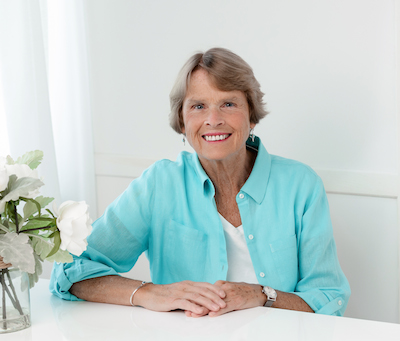
“I have been a hospice nurse for several decades,” writes Maureen Groden, RN, MS, CHPN, in the introduction of her new book titled, When A Loved One Is Dying. She goes on to write that, “Caring for people who are dying has been the privilege of my personal and professional life.”
During a recent interview before a book signing event at the Walpole Public Library, Groden, a Walpole native, shared why she wrote the book, what lessons she’s learned throughout her career, and how end-of-life conversations can greatly ease the fear, confusion, and trauma of a loved one’s passing.
“I think that families, especially parents and their adult children, are not used to talking at that deep a level about death and dying. We just don’t know how or where to begin,” she said. “It’s hard to get past the vulnerability, emotion, worry, and sadness.”
In this collection of 17 true stories culled from Groden’s own experience as a hospice nurse, we meet a variety of different patients, with unique family dynamics, struggles and challenges, and end-of-life realities. At the end of each chapter, Groden offers her own reflections, sharing wisdom, advice and education on topics, including the differences between hospice and palliative care, the myths about each, the importance of assigning a healthcare proxy (and clearly explaining end-of-life wishes to that person), completing the correct paperwork, and navigating the healthcare system as a whole.
“I wrote this book because I believe passionately that if people are willing to learn about how to care for someone at the end of life, if you know more about what to do right now rather than having to react in an emergency situation, the whole experience can be better when the time comes,” she explained.
Groden includes a very personal chapter about her own mother, how “Mum” called a family meeting to let her children know that she had signed a DNR (Do Not Resuscitate) form - how conversations with her about life, death, and faith are memories Groden holds dear.
“My mother taught me a lot about the quality of life - about palliative care - even though she didn’t know what that was at the time. She was clear in terms of ‘benefits and burdens’ as she grew older and less able to take care of herself. It was important for her to know that she would have a healthcare proxy who would carry out her wishes.”
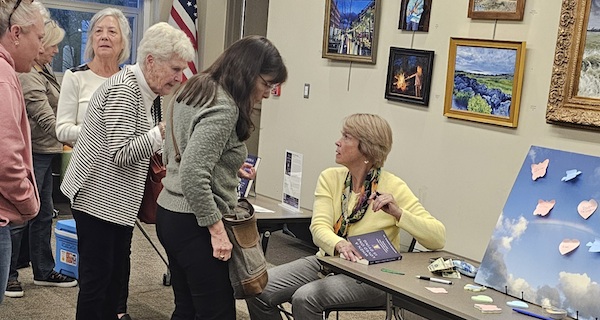
At the well-attended library signing, Groden read from some chapters, answered questions, and advised the audience to seek out information on all of the topics discussed. “All of this information is out there,” she said, noting the many resources are available on the Medicare website as well as her own (maureengroden.com). “But DO IT NOW,” she emphasized. “Don’t wait for an emergency situation.”
For Groden, the book, like her career, has been a labor of love. “When you’re that close to the edge of life and death, I know that life is precious. I appreciate life and take nothing for granted,” she said. “I know that life can change dramatically with one phone call or one doctor’s appointment.”